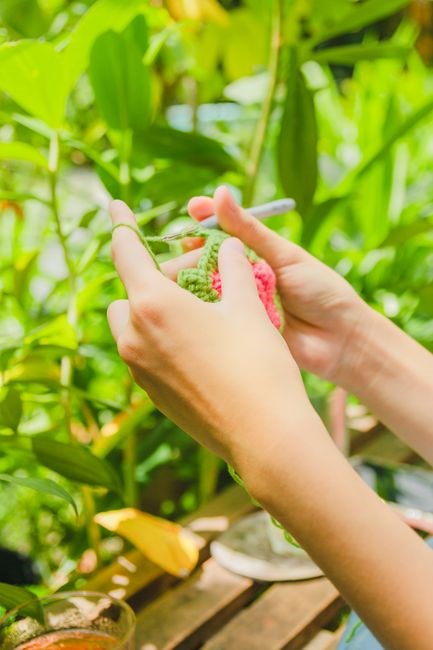
Explore vibrant crochet designs featuring iconic African blossoms. These free PDF guides offer step‑by‑step instructions, from basic stitches to intricate motifs, suitable for beginners and seasoned crafters alike. Download, stitch, and bring festive floral charm into your home Enjoy creative expression.
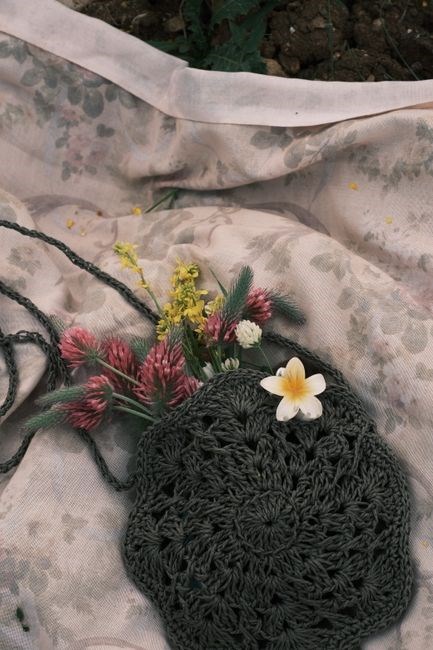
Historical Context of African Crochet Motifs
The roots of African flower crochet motifs trace back to the early 20th century, when African artisans began adapting traditional textile patterns into yarn crafts. Influenced by the vibrant botanical prints of West African kente cloth and the symbolic use of flowers in ceremonial garb, these motifs evolved into a distinctive crochet language. Early pioneers such as the Senegalese artist Youssouf Diop experimented with dense stitchwork to mimic the texture of native blossoms, while Nigerian crafters incorporated bright color palettes inspired by local flora. The migration of these designs to Europe in the 1920s, through colonial trade routes, introduced crochet enthusiasts to the “African flower” motif, which quickly gained popularity in the 1930s as a decorative element in home accessories. By the 1950s, pattern books began to feature step‑by‑step instructions, making the technique accessible to a broader audience. Today, free PDF patterns continue to honor this legacy, allowing modern crocheters to explore the rich heritage of African floral artistry while adding a contemporary twist to their projects. Collectors often share variations, swapping color schemes or incorporating local motifs, ensuring the African flower motif remains dynamic and evolving. The accessibility of free PDF resources empowers hobbyists worldwide to experiment, adapt, and personalize designs, fostering a global community of crochet enthusiasts who honor this rich heritage. Workshops and online tutorials teach advanced stitch techniques that deepen the realism of the flowers, turning simple projects into striking wall art or functional décor.
Choosing the Right Yarn and Hook for African Flower Patterns
When selecting yarn for African flower crochet patterns, consider both texture and durability. A medium weight (worsted) yarn in natural fibers such as cotton or bamboo offers a smooth finish and breathability, ideal for blankets and decorative pillows. For a more luxurious feel, choose a fine weight (fingering) yarn in silk or acrylic blends; these provide a subtle sheen and are perfect for amigurumi or delicate wall hangings. Color selection is crucial—bright, saturated hues echo the vibrant African flora, while muted earth tones lend a sophisticated, contemporary look. Always test a swatch to ensure the chosen yarn’s colorfastness and drape match your design intent.
The hook size directly influences stitch definition and overall tension. For worsted weight yarn, a 5.0 mm (US #8) hook typically yields a balanced tension for most flower motifs. If you prefer a tighter, more defined structure—especially for intricate lace or cable work—opt for a slightly smaller hook (4.5 mm, US #7). Conversely, a larger hook (5.5 mm, US #9) can create a looser, more relaxed texture suitable for oversized blankets or soft, plush accessories. When working with fine weight yarn, a 3.0 mm (US #2) hook is recommended to maintain precision in small details. Always match the hook to the yarn’s weight and the pattern’s tension guidelines to achieve consistent results.
Proper yarn care extends the life of your finished African flower projects; Wash hand‑wash in cool water with a mild detergent, then lay flat to dry. Avoid wringing, as this can distort the flower’s shape. For hooks, clean the ferrule and handle with a soft brush after each use to prevent metal corrosion, especially if you work with metallic or brass hooks. Store hooks in a padded case to avoid scratches. By paying attention to yarn selection, hook size, and maintenance, you’ll ensure your African flower crochet patterns look vibrant and last for years.
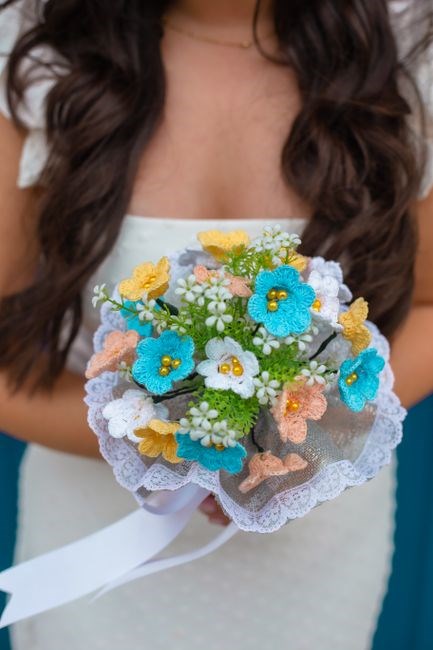
Key Crochet Techniques for African Flower Designs
Master rib and garment stitches for sturdy stems, then layer delicate lace for petal edges. Incorporate cable twists to add depth, and use shell stitches for a fuller bloom. Finish with a slip‑knot closure for a polished, repeatable pattern!!!!!!!!!
Basic Stitching Patterns (Rib, Garter, etc.)
Begin with the foundational rib stitch, alternating knit and purl rows to create a flexible, textured base that mimics the natural rhythm of African vines. The rib’s elasticity allows the flower’s stem to bend without breaking, ensuring durability in blankets and decorative panels. Next, employ the garter stitch—single crochet in every row—to produce a smooth, even surface ideal for the flower’s petals. Garter’s uniformity lends a subtle sheen, perfect for capturing the subtle glow of sunrise over savanna horizons. Combine these stitches by starting with a rib foundation, then transitioning to garter for the petal sections. Use a small hook size to increase stitch density, giving the petals a fuller, more realistic appearance. For added dimension, insert a few double‑crochet stitches within the garter area to create a slight raised effect, reminiscent of dew drops on a leaf. Finish each petal with a slip‑knot to secure the edge, preventing fraying. The simplicity of rib and garter stitches makes them accessible to beginners, while their versatility supports advanced colorwork and pattern variations in free PDF guides. By experimenting with stitch variation, color gradients, and subtle texture changes, you can transform a simple African flower pattern into a personalized statement piece that reflects your style and adds a touch of cultural heritage to any space. Feel free to swap yarn colors or add a embroidered border soft for a unique finish.
Advanced Techniques (Cables, Lace, etc.)
Elevate your African flower crochet pattern PDF with sophisticated techniques that add depth, drama, and a touch of artisanal flair. Cables, for instance, introduce a three‑dimensional twist that mimics the interwoven roots of a thriving savanna. To incorporate a cable, begin by working a double‑crochet into the next stitch, then lift the previous stitch over the new one, creating a subtle ridge that catches light. Repeat this sequence across the petal’s center to form a repeating cable pattern that echoes the rhythmic pulse of the African landscape. Lace, on the other hand, offers a delicate counterpoint to the bold cable. Use a combination of chain‑stitches, slip‑knots, and half‑double‑crochets to weave airy, translucent panels that resemble the fine filigree of tribal jewelry. The lace sections can be positioned at the petal tips, giving the flower a soft, ethereal glow. For added complexity, blend cables and lace by alternating cable rows with lace rows, producing a dynamic visual texture that feels both grounded and ethereal. When working with cables, choose a heavier yarn to maintain the stitch’s shape; for lace, a lighter weight ensures a crisp, airy finish. Finally, finish each cable or lace segment with a small slip‑knot or a tiny stitch of a contrasting color to accentuate the detail. These advanced techniques transform a simple African flower into a striking, handcrafted masterpiece that showcases both skill and cultural resonance.
The final flourish is a subtle stitch of contrasting color that frames the flower’s silhouette, turning a simple motif into a statement piece that echoes the vibrant spirit of African artistry!!!!!!!!
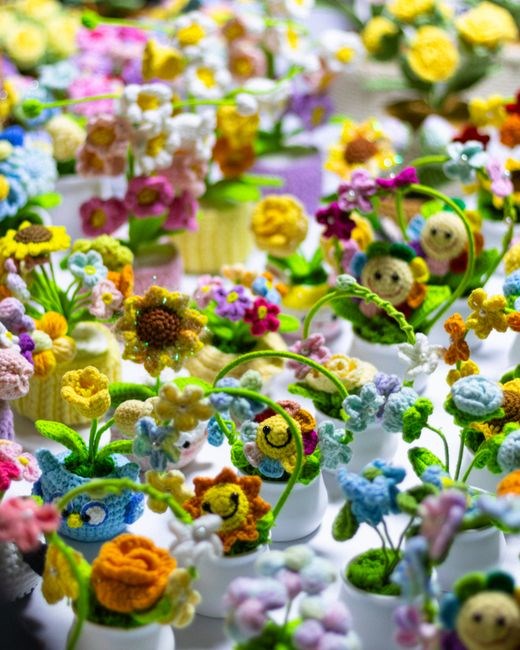
Design Variations of African Flower Crochet Patterns
Explore diverse African flower crochet pattern PDFs: from bold, chunky blankets to delicate, lace‑infused pillows. Mix vibrant colors, experiment with cable twists, and layer textures for depth. Adapt patterns for home décor, amigurumi, or custom gifts, each design echoing cultural elegance with flair!!!!
Blankets and Throws
Discover how African flower crochet pattern PDFs transform blankets and throws into statement pieces. The patterns feature bold, petal‑shaped motifs that weave together in a tapestry of color and texture. Begin with a sturdy yarn—cotton or acrylic blends—then follow the step‑by‑step instructions to stitch the iconic flower shapes. Each petal is created using a combination of single crochet, half double, and chain stitches, allowing the pattern to build a layered, almost three‑dimensional effect. The result is a warm, eye‑catching blanket that can be used as a cozy throw or a decorative wall hanging. Many free PDFs include size charts, so you can tailor the dimensions to fit a standard 5×7 foot throw or a 4×6 foot throw for a larger statement piece. Color palettes are often suggested, with vibrant reds, bright yellows, and deep blues that echo African sunsets. Some patterns incorporate cable twists within the petals, adding a subtle depth that catches the light. For beginners, the PDFs provide clear diagrams and a glossary of stitches, ensuring that even those new to crochet can follow along. Advanced crocheters can experiment with adding lace borders or integrating metallic yarn for a festive touch. Once finished, the blanket can be washed in cold water and tumble dried on low, preserving the integrity of the stitches and colors. Whether you’re gifting a handmade throw or adding a pop of culture to your living room, the African flower crochet pattern PDF offers a versatile, creative solution that celebrates heritage and craftsmanship alike. This versatile pattern invites you to experiment with color gradients, yarn weights, and stitch variations, ensuring each blanket becomes a unique, personal masterpiece that reflects your style and cultural appreciation. With its simple yet striking design, it’s perfect for gifting, seasonal décor, or a cozy addition to any living space, making it a must‑try for crochet enthusiasts worldwide. Enjoy! share today now
Home Accessories (Pillows, Curtains)
With African flower crochet pattern PDFs, you can turn everyday home accessories into vibrant, culturally rich accents. The patterns are designed for both pillows and curtains, offering step‑by‑step instructions that guide you from the first chain to the final petal stitch. For pillows, the PDF typically suggests using a medium‑weight yarn—cotton or acrylic—so the finished square is soft yet durable. The pattern begins with a simple foundation chain, then stitches a series of flower motifs that wrap around the pillow’s edges, creating a layered, almost three‑dimensional look. Once the main body is completed, the PDF includes a border stitch that frames the design, adding a subtle contrast that highlights the bright flower colors. The result is a cozy throw pillow that can be used on sofas, beds, or as a decorative accent on a chair. For curtains, the PDF offers a slightly larger template, often in a 4×6 foot size, suitable for window treatments or room dividers. The flower motifs are spaced to allow light to filter through while still providing privacy. The instructions emphasize the use of a slightly heavier yarn to maintain structure, and they include a guide to attaching the curtain to a rod or a simple grommet system. Color palettes are suggested, ranging from bold reds and oranges that evoke African sunsets to deeper greens and blues that bring a calm, natural feel. Many PDFs also provide optional embellishments, such as metallic thread or sequins, to add a festive touch for holidays or special occasions. The patterns are beginner‑friendly, featuring clear diagrams, a glossary of stitches, and a troubleshooting section that covers common issues like uneven petals or loose ends. Advanced crocheters can experiment with adding lace borders or cable twists within the petals to create a more intricate design. Once finished, the pillows and curtains can be washed in cold water and tumble dried on low, preserving the integrity of the stitches and colors. By incorporating these African flower crochet patterns into your home décor, you not only add a splash of color and texture but also celebrate a rich cultural heritage that has inspired crocheters worldwide. Start your project today with a free PDF and transform your living space into a vibrant, handcrafted oasis.
Amigurumi and Toys
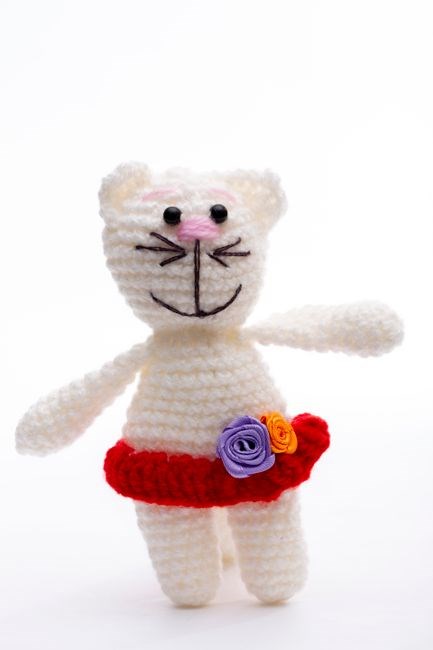
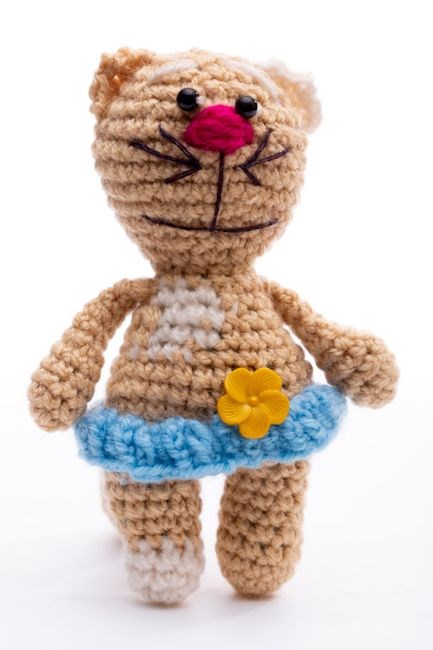
African flower crochet pattern PDFs invite crafters to transform simple yarn into playful amigurumi. The patterns break down the bloom into petals, centers, and stems, each crocheted with basic stitches that build a soft, cuddly figure. Start with a chain and single crochet to form the flower’s base, then work in rounds to create layered petals using the “flower stitch” from the PDF for a realistic look. Once the body is complete, the guide shows how to attach a rounded head and stitched eyes, giving the toy a friendly expression. The PDF recommends a contrasting yarn for the eyes and a lighter shade for the stem, adding depth. For stuffing, polyester fiberfill ensures a firm yet gentle shape. Optional embellishments—tiny ribbon, bead for the center—can be sewn on after crocheting. The step‑by‑step photos help track each stage, from the first petal to the final stitch. Advanced crocheters may add a cable twist to the stem or a lace border around the edge for an intricate design. The patterns cater to all skill levels, with a glossary and troubleshooting section covering uneven petals or loose ends. Once finished, wash in cold water and tumble dry on low to preserve stitches and colors. These crocheted flowers make delightful gifts, playful companions, or decorative additions, bringing a touch of African artistry into everyday life. Start your project today with a free PDF and let your imagination bloom Share your creations online and inspire others with your vibrant crochet
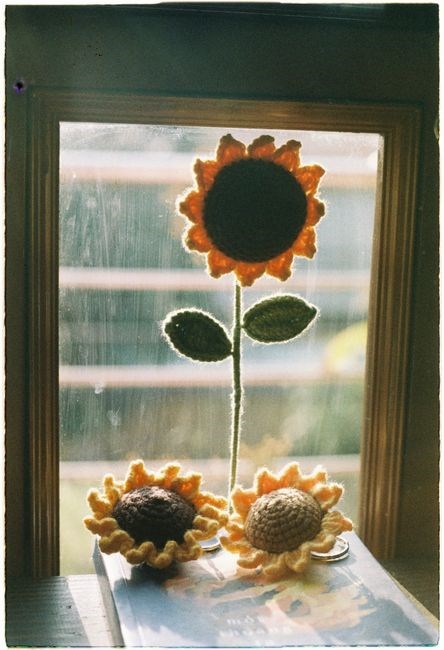
Step‑by‑Step Guide to Crocheting an African Flower
Begin by selecting a yarn that matches the vibrant hues described in the free PDF. The pattern recommends a medium weight (worsted) for a sturdy yet flexible flower. Cast on 30 stitches, then work in a round of single crochet to form the base circle. The PDF’s diagram shows a 5‑petal layout; each petal starts with a chain of 3, followed by 6 double‑crochet stitches to create a rounded edge. Continue alternating chain‑stitch and double‑crochet rows until the petal reaches the desired width, then join with a slip stitch. Repeat for all five petals, attaching each to the central circle with a slip stitch. Once the petals are in place, the pattern instructs crocheting a stem using a long‑knit stitch in a contrasting color, adding a subtle cable twist every third row for texture. The stem should be about 12 inches long, ending with a small loop for a leaf. The PDF also includes a quick tip: use a tapestry needle to weave in the yarn tail, ensuring a clean finish. Finally, block the flower by gently steaming and shaping it to the recommended dimensions. This step brings the colors to life and gives the flower a polished look. The PDF’s video tutorial complements the written instructions, making it easy for beginners to follow along. Download the PDF today, gather your materials, and start crocheting your own African flower masterpiece. Feel free to experiment with yarn colors, adding metallic threads or sequins for a festive touch. Happy stitching! Enjoy! :)Thanks.
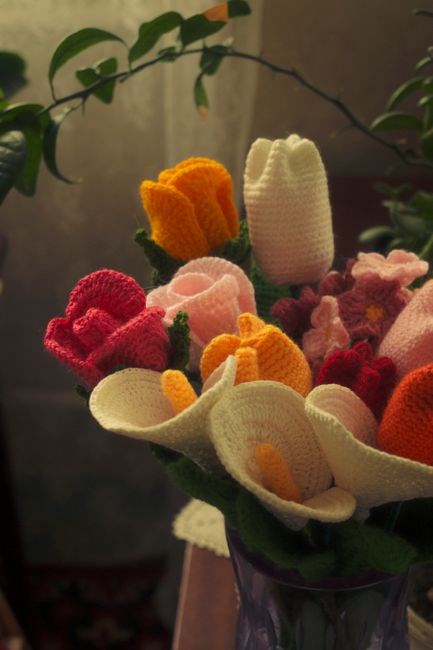
Downloading and Using Free PDF Patterns
To begin your African flower crochet journey, locate a reputable source that offers free PDF patterns. Many craft blogs, community forums, and textile websites host downloadable files that feature the classic African flower motif. The PDF files typically contain a clear diagram, stitch list, and step‑by‑step instructions. Once you find a pattern that matches your skill level, click the download link. The file will usually be a .pdf or .zip archive. If it is zipped, extract the contents with a standard archive utility. Open the PDF with your preferred viewer and review the stitch chart before you start. This preview ensures you understand the color scheme and stitch sequence. Next, gather the recommended yarn and hook size. The pattern will list the yarn weight, color palette, and hook size—often a medium (5‑6 mm) hook for worsted weight yarn. Prepare your workspace with a clean table, a light source, and a yarn bowl to keep strands organized. Follow the instructions exactly: cast on the specified number of stitches, work in rounds or rows as directed, and use the stitch markers to keep track of rounds. When you complete a section, the PDF will suggest a block or wash to set the shape. You can also use the accompanying video tutorial for visual guidance. Finally, keep a copy of the PDF for future reference or to share with friends. By downloading and following these free patterns, you can create beautiful African flower blankets, pillows, or amigurumi with confidence and ease. Enjoy the craft, share us
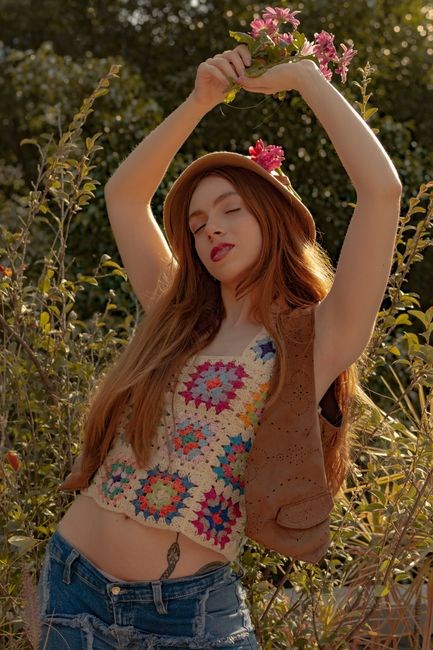
Color Palette and Pattern Customization Tips
When you open an African flower crochet pattern PDF, the first thing to note is the color palette. Most free patterns present a set of primary hues—deep reds, bright oranges, and earthy browns—paired with accent shades such as gold or turquoise. These colors echo the vibrant flora of the African savanna. To personalize the look, start by selecting yarns that match or complement the suggested palette. If you prefer a monochrome look, choose shades of a single color and use different weights to create depth. For a more eclectic feel, swap the accent color for a contrasting tone; for example, replace turquoise with a rich teal or coral. When changing yarn, keep the weight consistent to preserve stitch tension. If you switch to a lighter weight, the stitch size will shrink, so adjust the hook size accordingly. Another way to customize is by altering the stitch count per block. The PDF will list the standard number of stitches for each flower petal; you can increase or decrease this number to make the motif larger or smaller. Remember that altering stitch count changes the overall size of the finished piece, so adjust the total number of blocks to maintain balance. You can also experiment with stitch texture. The pattern may call for single crochet petals; try using half double crochet or a lace stitch for a lighter, airy effect; Finally, consider adding a border or trim in a complementary color. A simple garter stitch border in a muted gold can tie the design together. By thoughtfully selecting colors, adjusting stitch counts, and playing with textures, you can transform a standard African flower pattern into a unique statement piece that reflects your personal style.
When working with multiple colors, use stitch markers to keep track of color changes. Place a marker at the start of each new color block to avoid miscounting. Also, keep a small color chart on your table; this helps you quickly reference the next hue. If you’re using a yarn with a subtle sheen, the African flower motif can gain a subtle sparkle—ideal for evening décor. For a rustic vibe, choose natural fibers like cotton or linen; the texture will add a tactile dimension. Don’t forget to block your finished piece. Blocking aligns the stitches and smooths the surface, making the colors pop. Use a blocking board and dampen the fabric with a spray bottle, then pin it to shape. Allow it to dry overnight. Blocking is especially important if you’ve used a mix of yarn weights, as it evens out any uneven tension. By mastering these color and texture tricks, you’ll elevate any African flower crochet project into a personalized masterpiece.
Troubleshooting Common Issues
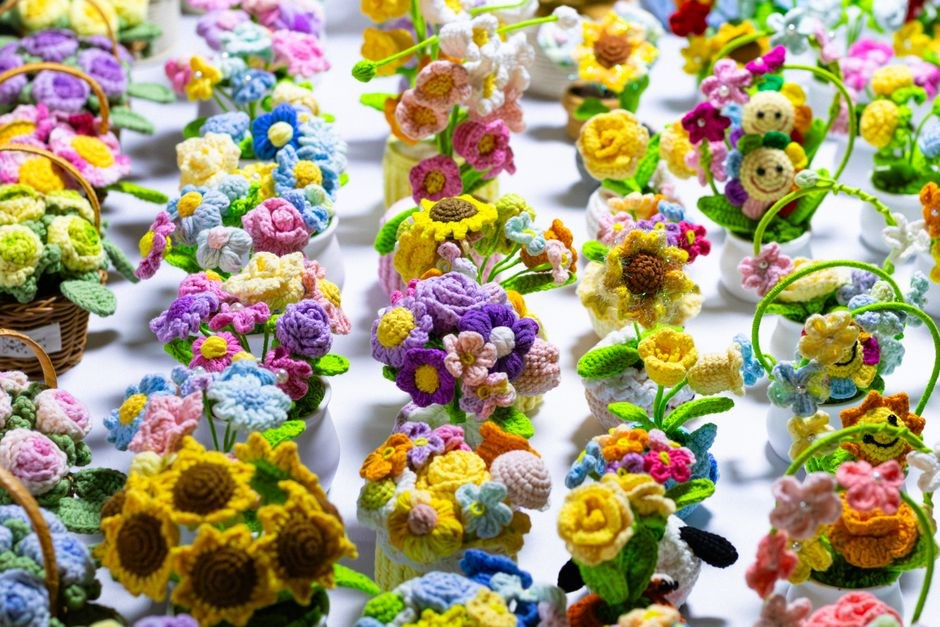
Working from an African flower crochet pattern PDF can be rewarding, but a few common pitfalls may derail your project. The most frequent issue is uneven stitch tension, which makes petals look lopsided. Verify that your hook size matches the yarn weight specified in the PDF; a too‑large hook will produce loose stitches, while a too‑small hook tightens them. If the pattern calls for double‑crochet stitches for the flower center but you accidentally work single crochet, the center will appear flat. Always double‑check the stitch abbreviation list in the PDF before you begin. Another common snag is color mis‑counting. The PDF often uses a color key; if you skip a marker, the next color will start in the wrong place, ruining the symmetry. Use a stitch marker or a small piece of tape on the yarn to keep track. Yarn tension can vary if you switch brands mid‑project. Stick to the same brand or adjust the hook size by a half size. If the finished piece drapes unevenly, it may be due to uneven tension across rows. Block the piece after completion: lay it flat, dampen with a spray bottle, pin to a blocking board, and let it dry overnight. Blocking aligns the stitches and evens out any warp or weft distortion. Finally, if the PDF instructions are ambiguous—missing stitch counts or unclear diagrams—search online forums or the pattern’s comment section. Many crafters post clarifications or corrected PDFs. By staying vigilant about tension, color order, and blocking, you’ll avoid the most common pitfalls and produce a great flower crochet piece.
Showcasing Your Finished African Flower Projects
Showcasing your finished African flower crochet projects is a celebration of creativity and cultural heritage. Begin by photographing each piece in natural light to capture the true colors of the yarn and the intricate petal details. Use a neutral background to keep the focus on the design. Next, create a small photo album or digital slideshow that includes the pattern PDF title, yarn details, and the number of rows worked. Share the album on social media platforms such as Instagram, Pinterest, or a dedicated Facebook group for crochet enthusiasts. Tag the original pattern creator and use relevant hashtags like #AfricanFlowerCrochet, #CrochetPatternPDF, and #HandmadeHome. If you plan to sell or gift the finished item, add a brief description of the pattern’s inspiration, the yarn’s origin, and any personal tweaks you made. Consider hosting a virtual showcase or a live stream where you discuss the process, answer questions, and demonstrate how to stitch a key element. Invite feedback from fellow crafters and encourage them to try the pattern themselves. Finally, keep a record of the project’s completion date, the yarn weight, and the hook size used. This documentation helps you track your progress and provides a reference for future projects. Your finished creations not only brighten homes but also honor the rich tapestry of African artistry, making each piece a conversation starter and a cherished heirloom. Feel free to adapt colors or stitch count to suit your skill level for all