
Self-Centering Drill Guides: A Comprehensive Overview (Updated 03/23/2026)
Recent innovations, like those from a Beaumont inventor in September 2025, highlight the demand for improved self-centering drill bit sets for precise pilot hole creation.

What is a Self-Centering Drill Guide?

A self-centering drill guide is a tool designed to ensure accurate and consistent hole placement, particularly crucial in woodworking and DIY projects. Unlike freehand drilling, these guides utilize a precisely engineered opening that centers the drill bit on the marked spot.
This eliminates wandering and provides clean, accurate results. As highlighted by recent inventor activity (September 2025), the need for better pilot hole drilling solutions drives innovation in this area. They are often used as power drill attachments, enhancing the drill’s functionality for specific tasks.
Essentially, they simplify achieving professional-quality results.
The Core Functionality & Benefits
The primary function of a self-centering drill guide is to constrain the drill bit, preventing it from drifting off-center during operation. This leads to several key benefits, including increased accuracy, reduced wood splintering, and consistently placed holes.
As noted in recent developments (September 2025), improved sets address the need for better pilot holes. These guides are invaluable for projects requiring precise alignment, like cabinetry and furniture assembly. They transform a standard power drill into a more specialized and reliable tool, enhancing project quality and efficiency.
Ultimately, they save time and reduce errors.
Types of Self-Centering Drill Guides
Self-centering drill guides aren’t one-size-fits-all; they cater to diverse needs. Pocket hole drill guides facilitate angled drilling for strong, concealed joints, commonly used in face frame construction. Doweling jig guides ensure precise alignment for dowel joinery, creating robust and aesthetically pleasing connections.
Furthermore, adjustable drill guides offer versatility, accommodating various material thicknesses and drill bit sizes. These adaptable tools are essential for projects demanding flexibility. The recent focus on improved drill bit sets (September 2025) suggests a growing demand for specialized guide types.
Pocket Hole Drill Guides
Pocket hole drill guides are specifically designed for creating angled holes, a cornerstone of pocket-hole joinery. This technique allows for strong, hidden connections, ideal for face frame construction and furniture assembly. These guides typically feature a clamping mechanism to secure the workpiece, ensuring consistent and accurate hole placement.
Recent advancements, as noted in September 2025, emphasize the need for improved drill bit sets working with these guides. They simplify projects, offering a faster and more reliable alternative to traditional joinery methods, particularly for DIY enthusiasts.
Doweling Jig Guides
Doweling jig guides excel at creating precisely aligned holes for dowel joints, offering a robust and visually appealing alternative to screws or nails. These guides often incorporate adjustable bushings to accommodate various dowel sizes and spacing requirements, enhancing versatility. They ensure accurate alignment, crucial for strong and square joints.
The demand for better self-centering drill bit sets, highlighted by an inventor in September 2025, directly benefits doweling jig use. Accurate drilling is paramount, and improved bits contribute to cleaner, more precise dowel placements, strengthening the overall joint.
Adjustable Drill Guides
Adjustable drill guides represent a versatile solution for a wide range of drilling tasks, accommodating different material thicknesses and hole positions. These guides typically feature a sliding mechanism or adjustable stops, allowing users to customize the setup for each project. This adaptability is particularly valuable for DIY enthusiasts and professionals alike.
The recent focus on improved self-centering drill bit sets, as noted in September 2025, complements adjustable guides perfectly. Precise bit alignment, combined with guide adjustability, ensures consistently accurate hole placement, enhancing project quality and efficiency.
Materials Used in Self-Centering Drill Guide Construction
Self-centering drill guides are commonly constructed from both metals and plastics, each offering distinct advantages. Metal drill guides, often utilizing steel or aluminum, prioritize durability and precision, ideal for heavy-duty applications and repeated use. Conversely, plastic drill guides, employing materials like ABS or nylon, offer a cost-effective and lightweight alternative.
The demand for better drill bit sets, highlighted by an inventor in September 2025, underscores the importance of guide material quality. A robust guide material ensures consistent alignment and minimizes wear, maximizing the effectiveness of any drill bit.
Metal Drill Guides (Steel, Aluminum)
Metal self-centering drill guides, fabricated from steel or aluminum, represent the pinnacle of durability and accuracy. Steel guides excel in demanding applications, resisting deformation and providing long-lasting performance. Aluminum guides offer a lighter weight alternative, maintaining respectable strength while easing maneuverability.
The need for improved drill bit sets, as noted by an inventor in September 2025, emphasizes the importance of a stable guide. Metal construction ensures minimal flex during drilling, resulting in consistently precise hole placement and reduced risk of bit slippage.
Plastic Drill Guides (ABS, Nylon)
Plastic self-centering drill guides, commonly made from ABS or nylon, present a cost-effective and lightweight solution for many drilling tasks. ABS plastic offers good impact resistance and rigidity, suitable for general woodworking and DIY projects. Nylon guides provide enhanced durability and resistance to wear, making them ideal for frequent use.
While not as robust as metal counterparts, plastic guides are sufficient for less demanding applications. The inventor’s focus on better drill bit sets (September 2025) indirectly highlights the guide’s role in overall precision, even with lighter materials.
Applications of Self-Centering Drill Guides
Self-centering drill guides are invaluable across diverse projects, enhancing accuracy and efficiency. Woodworking projects benefit immensely, ensuring precise joinery for furniture and decorative items. Cabinetry and furniture assembly rely on these guides for consistent hole placement, crucial for structural integrity and aesthetics.

DIY home repairs, like installing shelves or mounting fixtures, become simpler and more professional-looking. The need for a “better self-centering drill bit set” (September 2025) underscores their importance in achieving clean, accurate results in all these applications.
Woodworking Projects
Self-centering drill guides elevate woodworking precision, particularly in joinery. They ensure accurate pilot holes for screws, vital for strong and aesthetically pleasing connections in furniture construction. Complex projects, demanding consistent alignment, greatly benefit from the guide’s centering capabilities.
The recent pursuit of a “better self-centering drill bit set” (September 2025) demonstrates the woodworking community’s desire for enhanced accuracy. These guides minimize wood splitting and improve overall project quality, making them essential for both novice and experienced craftspeople.
Cabinetry & Furniture Assembly
Precise alignment is paramount in cabinetry and furniture assembly, making self-centering drill guides indispensable. They guarantee consistent screw placement, crucial for structural integrity and a professional finish. The demand for improved drill bit sets, as noted in September 2025, underscores this need.
These guides simplify attaching hardware like hinges and drawer slides, preventing misalignment and ensuring smooth operation. Whether assembling flat-pack furniture or building custom pieces, a drill guide streamlines the process, saving time and reducing errors.
DIY Home Repairs
Homeowners tackling repairs often encounter situations requiring accurate drilling, such as installing shelves, mounting fixtures, or repairing furniture. Self-centering drill guides empower DIY enthusiasts to achieve professional results without specialized skills. The need for better drill bit sets, highlighted in recent innovations (September 2025), reflects this growing demand.
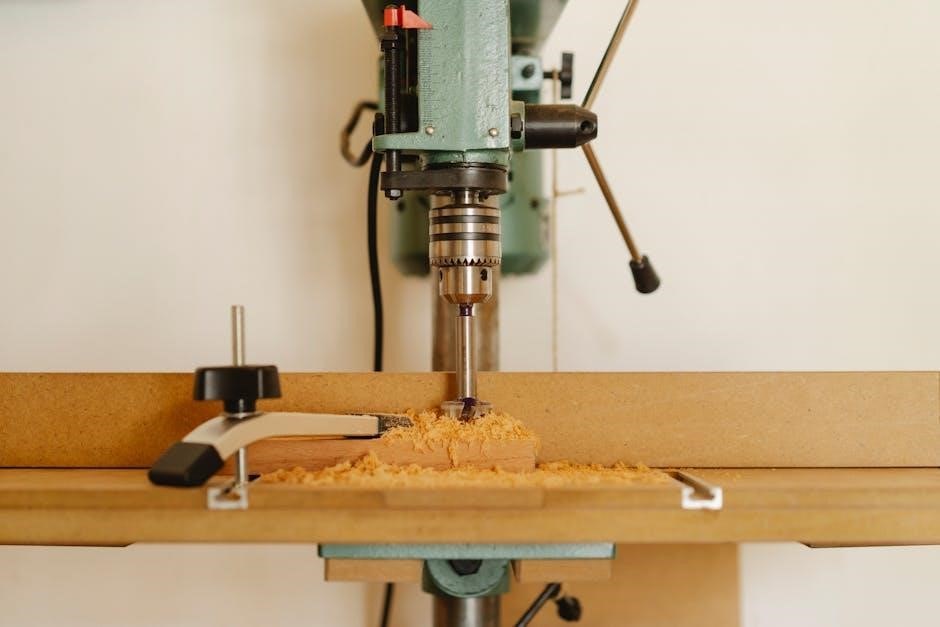
These guides eliminate guesswork, ensuring screws are driven straight and true, preventing damage to walls or materials. They are particularly useful when working with limited space or awkward angles, making common repairs significantly easier and more efficient.
Key Features to Consider When Purchasing
When selecting a self-centering drill guide, adjustability and versatility are paramount. Look for models accommodating various wood thicknesses and screw sizes. Durability and material quality directly impact longevity; steel or high-grade plastics are preferable.
Compatibility with drill bit sizes is crucial – ensure the guide supports your frequently used bits. Consider features like quick-change bushings or adjustable collars. Recent innovations (September 2025) emphasize the need for improved sets, suggesting a focus on precision and ease of use.
Adjustability & Versatility
A truly versatile self-centering drill guide should effortlessly adapt to diverse project needs. This means accommodating varying wood thicknesses, from thin plywood to substantial lumber. Adjustability extends to screw gauge compatibility, supporting a wide range of screw sizes for different applications.

Look for features like micro-adjustments for precise positioning and quick-release mechanisms for swift setup changes. The Beaumont inventor’s focus (September 2025) on improved drill bit sets underscores the importance of adaptable systems.
Durability & Material Quality
Longevity in a drill guide hinges on robust material selection and construction. High-quality metal guides, like those crafted from steel or aluminum, offer exceptional strength and resistance to wear and tear, ensuring years of reliable service. Plastic guides, utilizing ABS or nylon, provide a lighter-weight alternative, but durability can vary.
Considering the demands placed on these tools – particularly by professionals, as noted by the Beaumont inventor in September 2025 – investing in a durable guide is paramount for consistent, accurate results.
Compatibility with Drill Bit Sizes
A versatile drill guide must accommodate a range of drill bit diameters to suit diverse project needs. Check specifications carefully to ensure compatibility with your existing drill bit collection, avoiding the need for costly replacements. Guides offering adjustable features or interchangeable bushings provide greater flexibility.
The inventor’s focus on a “better self-centering drill bit set” (September 2025) underscores the importance of seamless integration between the guide and the bits themselves for optimal performance and precision.
Popular Brands & Models (as of 2026)
Kreg remains a dominant force, known for its robust pocket-hole systems and accompanying drill guides, consistently praised for accuracy. Milescraft offers a compelling alternative, providing versatile options for various woodworking applications, often at a more accessible price point.
General & Great Neck drill guides represent budget-friendly choices, suitable for occasional DIY projects. The September 2025 inventor’s work suggests a growing market for specialized, high-performance drill bit sets, potentially influencing brand rankings in the near future.
Kreg Self-Centering Drill Guides
Kreg consistently leads the market with its focus on pocket-hole joinery. Their drill guides are renowned for precision and durability, integrating seamlessly with their jig systems. Models like the Kreg Pocket-Hole Jig 3 Pro offer adjustable features for varied material thicknesses.
Users appreciate the ease of setup and consistent results, making them ideal for both beginners and experienced woodworkers. Kreg’s commitment to quality and innovation solidifies its position as a top brand, frequently recommended for professional cabinetry and furniture assembly.
Milescraft Drill Guides
Milescraft provides a diverse range of drill guides, often focusing on versatility and affordability. Their products cater to a broad spectrum of DIY enthusiasts and professionals, offering solutions for various woodworking applications. Many Milescraft guides feature adjustable components, accommodating different drill bit sizes and project requirements.
They are known for user-friendly designs and robust construction, providing reliable performance for tasks like doweling and screw pilot drilling. Milescraft consistently delivers value, making their drill guides a popular choice for home repairs and smaller woodworking endeavors.
General & Great Neck Drill Guides
General & Great Neck offer a selection of drill guides typically geared towards budget-conscious users and those needing straightforward functionality. These guides often prioritize simplicity and ease of use, making them suitable for basic home repair and DIY projects. While potentially lacking the advanced features of higher-end brands, they provide a reliable means of achieving accurate hole placement.
They are frequently found in hardware stores and cater to individuals seeking a cost-effective solution for occasional drilling tasks, offering dependable performance for common applications.
How to Use a Self-Centering Drill Guide: A Step-by-Step Guide
Begin by securely clamping the drill guide to your workpiece, ensuring it’s aligned with the desired drilling location. Select the appropriate drill bit size for your project and insert it into the guide’s bushing. Apply consistent, moderate pressure while operating the drill, maintaining a perpendicular angle to the surface.
Slowly drill until the desired depth is reached, then carefully remove the guide and inspect the hole for accuracy. Repeat the process for subsequent holes, always prioritizing safety and precision.
Ensuring Accuracy & Preventing Wood Splintering
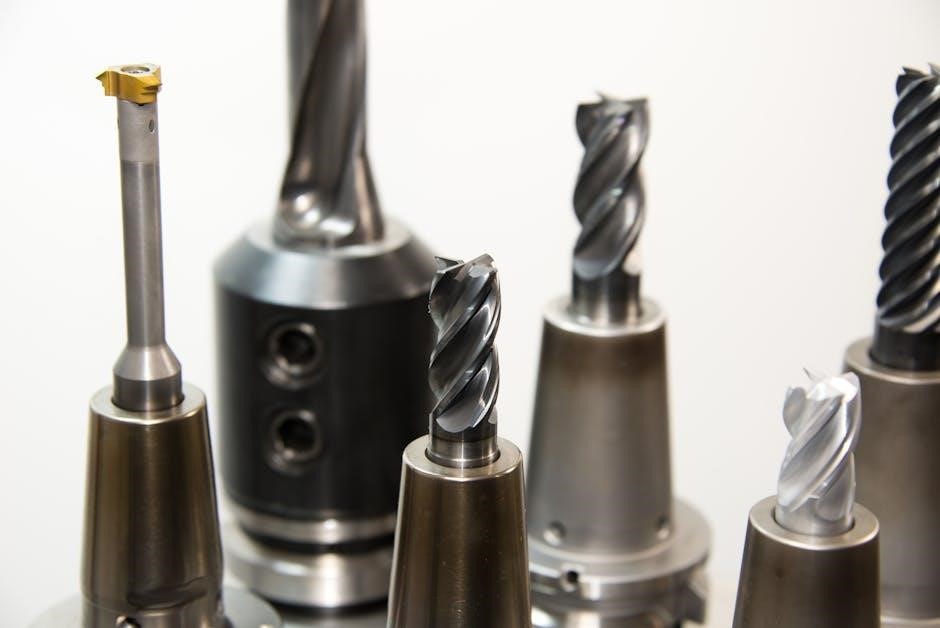
Achieving pinpoint accuracy relies on a firmly clamped guide and a sharp drill bit; Backing the workpiece with a sacrificial board minimizes tear-out, a common cause of splintering. Utilize a slow drilling speed and consistent pressure to control the bit’s entry and exit points.

For particularly delicate woods, consider using a brad-point bit designed to shear fibers cleanly. Regularly inspect the guide’s bushings for wear, as loose bushings compromise precision and increase splintering risk.
Maintenance and Care of Your Drill Guide
Regular cleaning is paramount; remove sawdust and debris after each use with a brush or compressed air. Inspect bushings for damage or looseness, tightening screws as needed. For metal guides, a light coat of oil prevents rust and ensures smooth operation.
Plastic guides benefit from occasional cleaning with a mild detergent. Avoid harsh solvents that can degrade the material. Store the guide in a dry environment to prevent corrosion or warping, extending its lifespan and maintaining accuracy.
Troubleshooting Common Issues
Drill bit slippage often indicates worn bushings or insufficient clamping force; tighten the guide securely and consider replacing worn parts. Inaccurate hole placement can stem from improper alignment or a loose guide – double-check setup and ensure a firm grip on the workpiece.
If splintering occurs, reduce drill speed and use sharp bits. Regularly inspect and clean the guide to prevent debris buildup, which can affect precision. Addressing these issues promptly maintains optimal performance;

Drill Bit Slippage
Consistent drill bit slippage during operation frequently points to worn or damaged bushings within the self-centering drill guide itself. These bushings are crucial for maintaining a secure and centered grip on the bit. Additionally, insufficient clamping force applied to the workpiece can contribute to this issue.
Solutions include tightening all securing mechanisms on the guide and workpiece, and inspecting/replacing any visibly worn bushings. Using drill bits appropriate for the material also minimizes slippage.
Inaccurate Hole Placement
Persistent inaccurate hole placement often stems from improper calibration of the drill guide. Many adjustable guides require precise setup to align with the desired drilling point. Furthermore, a warped or uneven workpiece surface can throw off the guide’s alignment, leading to misaligned holes.
To rectify this, meticulously re-calibrate the guide according to the manufacturer’s instructions. Ensure the workpiece is firmly secured to a flat, stable surface. Double-check measurements before drilling, and consider using shims to compensate for surface irregularities.
Safety Precautions When Using Drill Guides
Prioritize safety when operating self-centering drill guides. Always wear appropriate safety glasses to protect your eyes from flying debris. Securely clamp both the drill guide and the workpiece to prevent movement during drilling, minimizing the risk of injury.
Never force the drill; let the bit do the work. Disconnect the power tool before making adjustments or changing bits. Be mindful of your hand placement, keeping fingers clear of the drill bit’s path. Regularly inspect the guide for any damage or wear.
Self-Centering Drill Guides vs. Traditional Methods
Traditional drilling often relies on freehand techniques or simple marking, prone to inaccuracies and potential wood splitting. Self-centering drill guides offer a significant advantage by ensuring precise hole placement, especially crucial for projects demanding alignment, like cabinetry.
Compared to using a center punch and relying on visual estimation, guides deliver repeatable results. They minimize wandering and reduce the likelihood of errors, ultimately saving time and material. Innovations, as seen with recent drill bit set improvements, further enhance precision over older methods.
The Evolution of Drill Guide Technology
Early drill guides were rudimentary, often consisting of simple blocks with pre-drilled holes. Modern advancements, spurred by demands from professionals like cabinetmakers seeking better pilot hole drilling, have led to sophisticated adjustable systems.
The development of pocket hole guides, doweling jigs, and versatile adjustable guides represents a significant leap. Recent innovations (September 2025) focus on improved bit centering and stability. Materials have evolved from basic wood to durable metals and engineered plastics, enhancing precision and longevity.
Future Trends in Drill Guide Design
Anticipated developments in self-centering drill guide technology will likely focus on integrating smart features. Expect to see guides with built-in laser alignment systems for enhanced accuracy and digital angle readouts for precise adjustments. Material science will continue to play a role, with lighter, stronger composites emerging.
Furthermore, modular designs allowing for customization and compatibility with a wider range of drill bit sizes are probable. Innovations, building on the September 2025 push for better pilot hole drilling, may include automated centering mechanisms and improved dust extraction systems.
Cost Considerations & Budgeting
Self-centering drill guides exhibit a broad price range, influenced by material, features, and brand reputation. Basic plastic guides can start around $20, suitable for infrequent DIY tasks. Mid-range metal guides, offering improved durability and precision, typically fall between $50 and $100.
Premium models, like those from established brands, with advanced adjustability and included accessories, can exceed $150. Budgeting should account for potential drill bit purchases, as compatibility is crucial. Considering project frequency and desired accuracy will guide investment decisions.
Where to Buy Self-Centering Drill Guides
Self-centering drill guides are widely available through various retail channels. Major home improvement stores, such as Home Depot and Lowe’s, stock a selection of popular brands and models. Online marketplaces like Amazon offer extensive choices, often with competitive pricing and customer reviews.
Specialty woodworking stores provide expert advice and a curated range of high-quality guides. Directly from manufacturers’ websites, like Kreg or Milescraft, ensures access to the full product line and potential promotions. Comparison shopping is recommended.
DIY vs. Pre-Made Drill Guides
Creating a DIY drill guide offers cost savings and customization, but demands precision and woodworking skills. Pre-made guides, conversely, provide accuracy and convenience, eliminating the need for fabrication. DIY options might suit infrequent users with specific needs, utilizing readily available materials.
Commercial guides, however, boast durability and consistent performance, ideal for professionals or frequent projects. Consider project complexity and required precision when deciding; pre-made options often justify the investment through time saved and improved results.
Resources for Further Learning
Online woodworking forums and YouTube channels offer tutorials and user reviews on various drill guide models, providing practical insights. Manufacturer websites, like Kreg and Milescraft, feature detailed product information, guides, and support materials. DIY blogs often showcase projects utilizing drill guides, inspiring creative applications.
Woodworking magazines and books provide in-depth articles on techniques and tool selection. Retailer websites, such as those offering power drill attachments, frequently include customer feedback and comparison charts. Google, with preferred sources like Yahoo, can also be a valuable resource.