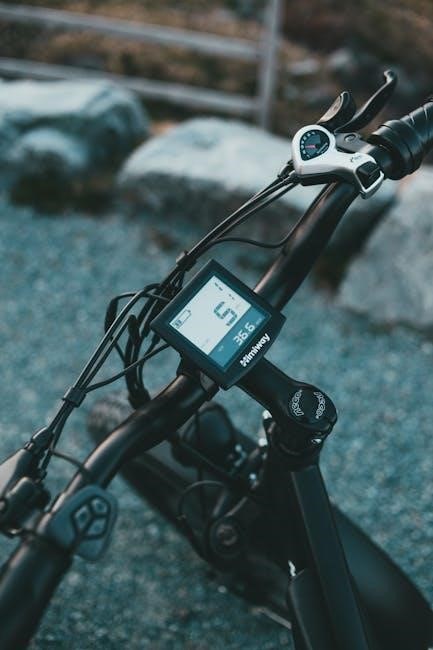
E-Bike Controller Manual: A Comprehensive Guide
Electric bike controllers are essential for managing power, coordinating functions, and ensuring optimal performance; this manual provides insights for enthusiasts and owners.
E-bike controllers represent the central nervous system of any electric bicycle, orchestrating the intricate dance between the battery, motor, and rider inputs. These sophisticated devices manage power delivery, dictate speed and torque, and interpret signals from components like pedal assist sensors or throttles. Understanding the role of the controller is paramount for anyone looking to maintain, upgrade, or simply comprehend the functionality of their e-bike.
Controllers aren’t just about power; they’re about a seamless and efficient riding experience. They ensure the motor operates within safe parameters, protecting both the hardware and the rider. This guide will delve into the world of e-bike controllers, providing a comprehensive overview for enthusiasts.
What Does an E-Bike Controller Do?
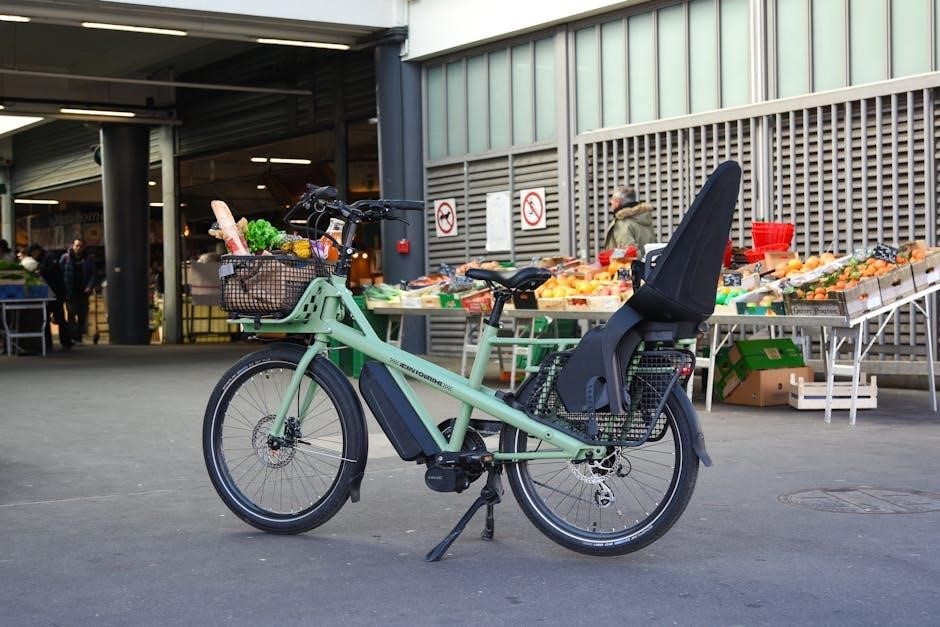
E-bike controllers function as the brain of the system, meticulously managing the flow of electrical energy from the battery to the motor. They translate rider commands – whether from the pedals or throttle – into precise motor instructions, controlling speed and torque. Beyond basic power regulation, controllers monitor crucial parameters like voltage, current, and temperature, ensuring safe and efficient operation.
They also handle communication between various components, including the display, sensors, and motor, providing a cohesive riding experience. Essentially, the controller optimizes performance and protects the e-bike’s vital components.
Types of E-Bike Controllers
E-bike controllers broadly fall into two main categories: pedal assist and throttle-based. Pedal assist controllers intelligently augment your pedaling effort, providing motor assistance proportional to how hard you’re working – offering a natural riding feel. Throttle-based controllers, conversely, deliver power directly via a throttle, allowing for effortless acceleration without pedaling.
These types cater to different riding styles; pedal assist for a more traditional experience, and throttles for convenience and quick bursts of speed. Understanding these differences is key to selecting the right controller for your needs.
Pedal Assist Controllers
Pedal assist controllers detect your pedaling and activate the motor, providing support that feels natural and intuitive. They typically offer multiple assistance levels, allowing riders to customize the amount of motor power delivered. These controllers enhance your pedaling effort rather than replacing it, extending range and providing a workout.
The system adjusts motor power based on your cadence and torque, creating a seamless and responsive riding experience. They are ideal for riders who enjoy the feel of pedaling but want a boost on hills or during longer rides.
Throttle-Based Controllers
Throttle-based controllers offer power on demand, independent of pedaling. Typically, these utilize a twist-grip or thumb throttle, allowing riders to control the motor’s output directly. This provides quick bursts of speed and is perfect for situations where you don’t want to pedal, like starting from a standstill or tackling steep inclines.
They are favored by riders seeking convenience and effortless acceleration, offering a simpler riding experience without relying on physical exertion. These controllers are ideal for urban commutes or leisurely rides.

Controller Compatibility: Hall Sensor vs. Sensorless
E-bike motors come in two primary types: those with Hall sensors and those without (sensorless). Hall sensor controllers utilize signals from these sensors to determine the motor’s rotor position, enabling smoother startup and low-speed control. If your e-bike motor is sensor-enabled, choosing a controller with Hall sensor support is crucial for optimal performance.
Conversely, sensorless controllers estimate rotor position, requiring the motor to spin before assistance engages. These are necessary for sensorless motors and often offer a simpler, more affordable solution.
Brushless Motor Controllers & Sine Wave Controllers
Brushless motor controllers are the standard for most modern e-bikes, offering efficiency and reliability. They electronically commutate the motor, eliminating brushes and reducing maintenance. Among these, sine wave controllers stand out for their exceptionally smooth and quiet operation. Unlike traditional controllers that use a trapezoidal waveform, sine wave controllers deliver power in a smoother, sinusoidal pattern.
This results in reduced motor noise, increased efficiency, and a more comfortable riding experience. Sine wave controllers are becoming increasingly popular for their refined performance.
Understanding Controller Voltage and Amperage
Controller voltage must match your battery system (e.g., 36V, 48V, 52V) for proper operation. Mismatched voltage can damage the controller or battery. Amperage ratings determine the maximum current the controller can deliver to the motor, directly impacting power and acceleration. Higher amperage allows for greater power output, but must be compatible with both the motor and battery’s capabilities.
Selecting the correct amperage ensures optimal performance without overheating or damaging components. Consider your motor’s power requirements when choosing a controller.
Voltage Considerations
E-bike controller voltage must precisely align with your battery pack’s voltage. Common systems include 36V, 48V, and 52V; mixing these can lead to severe damage. Lower voltage than required results in no power, while exceeding the limit risks frying the controller. Always double-check compatibility before installation.
Consider future upgrades; a higher voltage system offers more power potential. However, ensure all components – battery, motor, and controller – are rated for the increased voltage for safe and efficient operation.
Amperage Ratings and Motor Power
Controller amperage dictates the maximum current delivered to the motor, directly impacting power and acceleration. Higher amperage generally means more power, but exceeding the motor’s limit can cause overheating and damage. Match the controller’s amperage rating to your motor’s specifications.
A controller with a slightly higher amperage rating than the motor allows for headroom during demanding situations, like climbing hills. However, prioritize matching ratings to avoid stressing the motor and battery unnecessarily, ensuring longevity and optimal performance.
Key Features to Look for in an E-Bike Controller
When selecting an e-bike controller, consider display compatibility for crucial ride data like speed and battery level. Programming options and customization are vital, allowing adjustments to pedal assist levels, throttle response, and speed limits to tailor the ride experience.
Look for controllers supporting various display types and offering user-friendly programming interfaces. Advanced features like regenerative braking control and walk assist enhance functionality. Prioritize controllers with robust build quality and reliable performance for a safe and enjoyable e-bike experience.
Display Compatibility
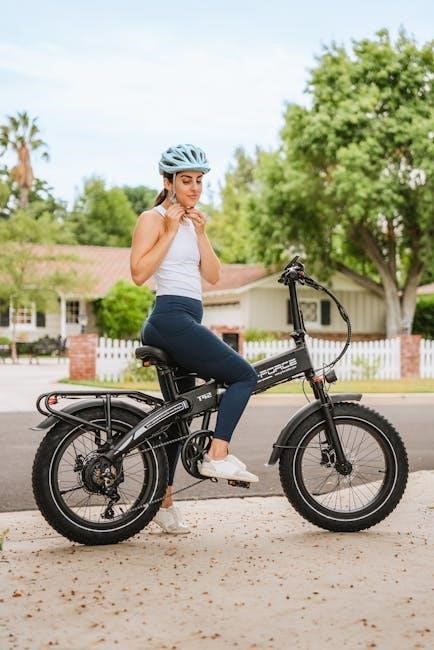
Display compatibility is crucial, as the controller must seamlessly integrate with your e-bike’s chosen display unit. Controllers support various display protocols, including LCD and LED options, showing vital ride information like speed, battery level, and assist mode.
Ensure the controller’s voltage is compatible with the display. Some controllers offer multiple display options, providing flexibility. A clear, easy-to-read display enhances the riding experience and provides essential data at a glance, contributing to safety and control during your e-bike adventures.
Programming Options & Customization
Programming options allow riders to tailor the e-bike’s performance to their preferences. Controllers often feature adjustable parameters like acceleration curves, maximum speed limits, and pedal assist levels. Customization enables fine-tuning for optimal efficiency, power delivery, and riding style.
Some controllers support software updates for enhanced functionality or bug fixes. Advanced options may include torque control settings and motor current limits. Exploring these settings unlocks the full potential of your e-bike, creating a personalized and enjoyable riding experience.

E-Bike Controller Installation
Proper installation is crucial for safe and reliable e-bike operation. Begin by disconnecting the battery to prevent electrical shock. Carefully follow the wiring diagrams provided with your controller, ensuring correct connections for the battery, motor, throttle, and display.
Securely mount the controller within the e-bike frame, protecting it from moisture and damage. Double-check all connections before reconnecting the battery. Incorrect wiring can lead to malfunctions or even permanent damage. Prioritize safety and consult a professional if unsure about any step.
Wiring Diagrams & Connections
Understanding wiring diagrams is paramount for successful installation. Controllers typically feature connections for the battery (positive & negative), motor phase wires, throttle, display, and Hall sensors (if applicable). Color-coding varies between manufacturers, so always refer to your controller’s specific diagram.
Incorrect connections can cause immediate damage. Ensure secure connections using appropriate connectors and avoid exposed wires. Pay close attention to the Hall sensor wiring order if present, as incorrect sequencing will prevent motor operation. Double-check polarity before connecting the battery!
Safety Precautions During Installation
Prioritize safety during installation! Always disconnect the battery before working on any wiring; Avoid working in wet conditions to prevent electrical shock. Use insulated tools and wear appropriate safety glasses. Ensure the e-bike is securely mounted on a stand to prevent accidental falls.
Double-check all connections before reconnecting the battery. Incorrect wiring can lead to short circuits and potential fires. If you are uncomfortable with electrical work, consult a qualified technician. Never operate the e-bike with damaged wiring or components.
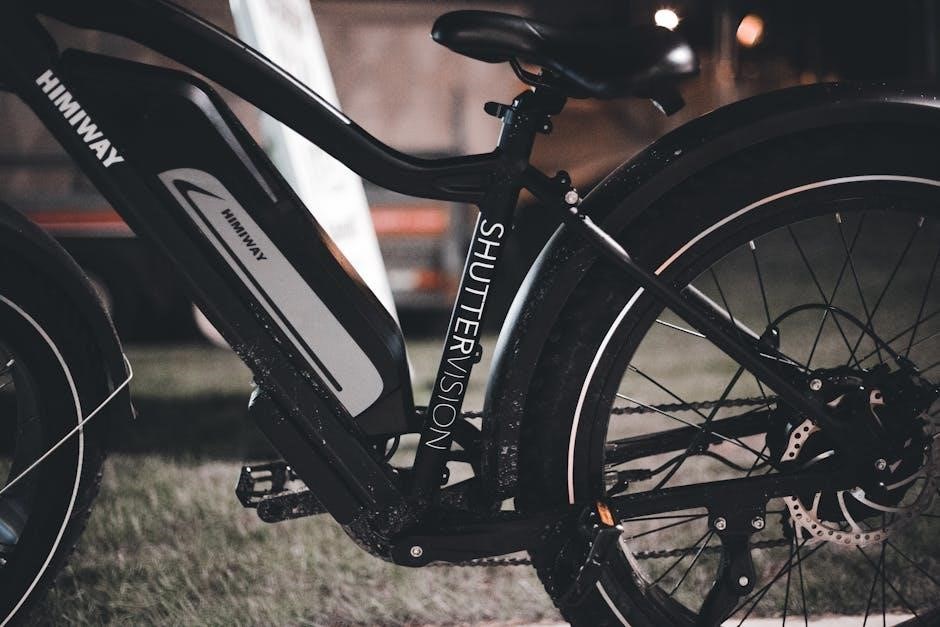
Troubleshooting Common E-Bike Controller Issues
Diagnosing problems starts with simple checks. If there’s no power, verify the battery is charged and connections are secure. A motor that doesn’t respond could indicate a wiring issue or a faulty controller. Inspect fuses and wiring harnesses for damage.
Consult your controller’s manual for specific error codes. If issues persist, consider professional assistance. Remember, attempting repairs without proper knowledge can worsen the problem and potentially void warranties. Prioritize safety and methodical troubleshooting.
No Power/Controller Not Turning On
If your e-bike controller isn’t powering on, begin with the basics. Ensure the battery is fully charged and properly connected to the controller. Check the main power switch and any emergency cut-off switches. Inspect the wiring harness for loose connections or damaged wires, paying close attention to the connectors.
A blown fuse is another common culprit. Replace it with a fuse of the correct amperage. If these steps don’t resolve the issue, the controller itself may be faulty and require professional diagnosis.
Motor Not Responding
When the motor isn’t responding, despite the controller powering on, several factors could be at play. First, verify the throttle or pedal assist system is functioning correctly – test with a multimeter if possible. Examine the motor phase wires and their connections to the controller for any breaks or looseness.
Inspect the hall sensors (if applicable) and their wiring; a faulty sensor can prevent motor operation. A damaged motor itself is also a possibility, requiring professional assessment. Confirm the controller is compatible with your motor type.
Maintaining Your E-Bike Controller
Regular maintenance extends your e-bike controller’s lifespan and ensures reliable performance. Periodically cleaning the controller, especially after riding in wet or dusty conditions, is crucial. Inspect wiring connections for corrosion or damage, tightening any loose screws.
Check for any physical damage to the controller casing. Firmware updates, if available from the manufacturer, can improve functionality and address potential bugs. Always follow the manufacturer’s instructions carefully during updates to avoid bricking the controller.
Cleaning and Inspection
Routine cleaning is vital for e-bike controller health. Use a soft, dry cloth to wipe down the controller’s exterior, removing dust and grime. Avoid harsh chemicals or direct water exposure, which can cause damage. Inspect all wiring connections regularly, ensuring they are secure and free from corrosion.
Look for any signs of physical damage, such as cracks or loose components. Pay close attention to connectors and terminals. A visual inspection can identify potential issues before they escalate into major problems, ensuring continued reliable operation.
Firmware Updates (If Applicable)
Check the manufacturer’s website periodically for available firmware updates for your e-bike controller. These updates can improve performance, add new features, or fix identified bugs. Follow the provided instructions carefully during the update process, as an interrupted update can render the controller unusable.
Typically, updates involve connecting the controller to a computer via USB and using specialized software. Back up any existing settings before updating, if possible. Firmware updates are crucial for maintaining optimal functionality and extending the lifespan of your e-bike’s control system.
Upgrading Your E-Bike Controller
Upgrading your e-bike controller can unlock enhanced performance, increased customization options, and improved reliability. Benefits include greater motor power, smoother acceleration, and access to advanced features like regenerative braking. However, compatibility is key; ensure the new controller matches your battery voltage and motor type.
Choosing the right upgrade requires careful consideration of your riding style and needs. Sine wave controllers offer quieter operation, while higher amperage controllers deliver more power. Research thoroughly and consult with e-bike experts to make an informed decision.
Benefits of Upgrading
Upgrading your e-bike controller unlocks a range of performance enhancements. Expect smoother acceleration, increased torque for tackling hills, and potentially higher top speeds, depending on motor and battery limitations. A newer controller might offer refined pedal assist settings and more precise throttle control, improving the overall riding experience.
Furthermore, upgrades can extend the lifespan of your e-bike system by providing more efficient power management. Access to advanced features, like customizable settings and regenerative braking, adds versatility and control.
Choosing the Right Upgrade
Selecting the ideal controller upgrade requires careful consideration of your e-bike’s specifications. Verify compatibility with your motor type (hall sensor or sensorless) and battery voltage. Ensure the new controller’s amperage rating matches or slightly exceeds your motor’s requirements for optimal performance.
Consider desired features – sine wave controllers offer quieter operation, while programmable controllers allow customization. Research reputable brands and read reviews. Prioritize a controller with robust safety features and clear documentation for a successful installation and enhanced riding experience.
Resources for E-Bike Controller Information
Numerous online resources cater to e-bike enthusiasts seeking controller information. Websites like Electric Bike Technologies and Grin Technologies offer detailed guides, forums, and component specifications. YouTube channels dedicated to e-bike maintenance provide visual tutorials on installation and troubleshooting.
Reddit’s r/ebikes is a vibrant community for sharing experiences and seeking advice. Manufacturer websites often feature FAQs and support documentation. Consulting local e-bike shops can provide personalized guidance and access to expert knowledge for informed decisions.